
Leveraging Post-Purchase Experiences to Build Loyalty

Building customer loyalty is more than just getting repeat sales; it's about creating lasting relationships that benefit both customers and brands. Loyal customers drive consistent revenue, act as brand ambassadors, and cost far less to retain than acquiring new ones. The secret to fostering such loyalty often lies in a critical but overlooked phase of the customer journey: the post-purchase experience.
This blog dives deep into how businesses can enhance the post-purchase experience to drive customer loyalty using strategies like rewards programs, referral marketing, and customer feedback collection.
Understanding Post-Purchase Experience
The post-purchase experience encompasses all interactions a customer has with your brand after making a purchase. It’s an opportunity to turn a one-time buyer into a loyal advocate by ensuring seamless service and valuable engagement.
The pillars of a great post-purchase strategy include:
Ensuring customer satisfaction through timely delivery and product quality.
Strengthening customer retention by keeping buyers engaged after the sale.
Building trust by exceeding expectations and offering support.
Brands that prioritize this phase see improved customer loyalty and reduced churn.
The Role of Communication in Building Loyalty
Customer communication is the backbone of any successful post-purchase strategy. Staying connected ensures that customers feel valued and informed.
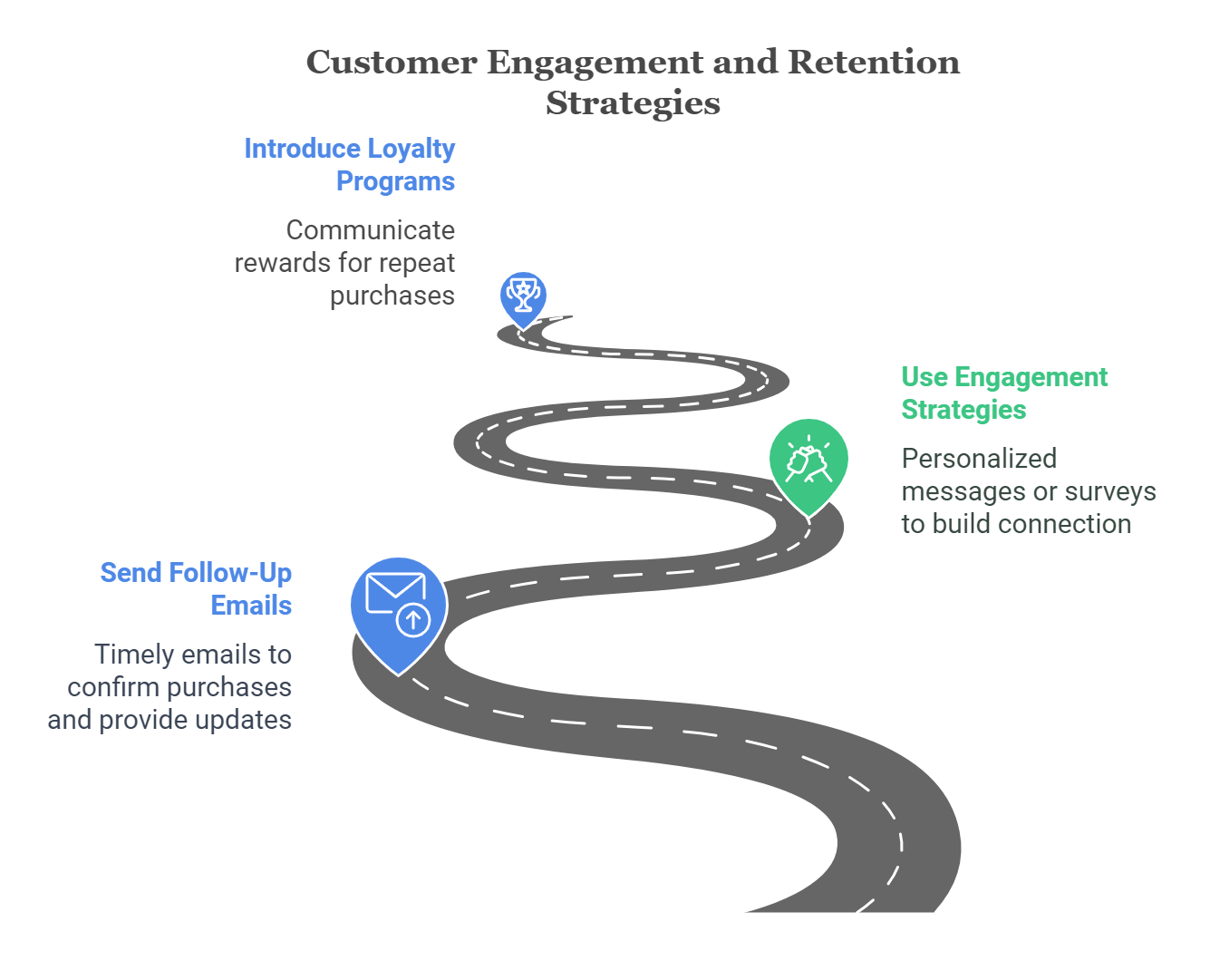
Sending timely follow-up emails is crucial to enhancing the post-purchase experience, as they confirm purchases, provide shipping updates, and share useful product tips. Incorporating engagement strategies like personalized thank-you messages or satisfaction surveys helps foster a deeper sense of connection with customers. Additionally, introducing loyalty programs in your communications can reward repeat purchases and encourage sustained engagement, turning occasional buyers into devoted brand advocates.
Incentivizing Repeat Purchases with Rewards
A well-crafted rewards program encourages customers to return. Offering points for purchases, exclusive discounts, or gifts can significantly boost repeat purchases.
Loyalty Rewards: Provide tiered benefits to incentivize higher spending.
Incentives: Offer rewards for first-time buyers to make additional purchases.
Retention Strategies: Showcase the value of loyalty points by highlighting redemption stories or limited-time offers.
By rewarding loyal behavior, businesses create a win-win situation for themselves and their customers.
Personalization in Post-Purchase Interactions
Personalization has become a cornerstone of modern marketing, and its role in the post-purchase experience is no different. Tailoring interactions to align with customer preferences fosters a deeper connection.
Segment Customers: Use data to create tailored segments based on behavior, purchase history, and demographics.
Offer Tailored Experiences: Suggest complementary products or services relevant to previous purchases.
Use Personalized Messaging: Incorporate customer names, past purchases, or birthdays in your outreach.
These efforts make customers feel understood and valued, leading to stronger customer loyalty.
Collecting Feedback Through Reviews
Feedback is invaluable for improving the post-purchase experience. Engaging customers in a feedback loop builds trust and drives continuous improvement.
Encourage customer reviews with post-purchase emails or incentives like discounts.
Analyze feedback to identify common pain points or areas of excellence.
Demonstrate responsiveness by implementing suggestions or addressing concerns.
Building a strong feedback culture not only enhances products and services but also establishes your brand as customer-centric.
Utilizing Referral Programs to Enhance Loyalty
Satisfied customers are powerful advocates. A strategic referral marketing program taps into the power of word-of-mouth by turning happy customers into brand promoters.
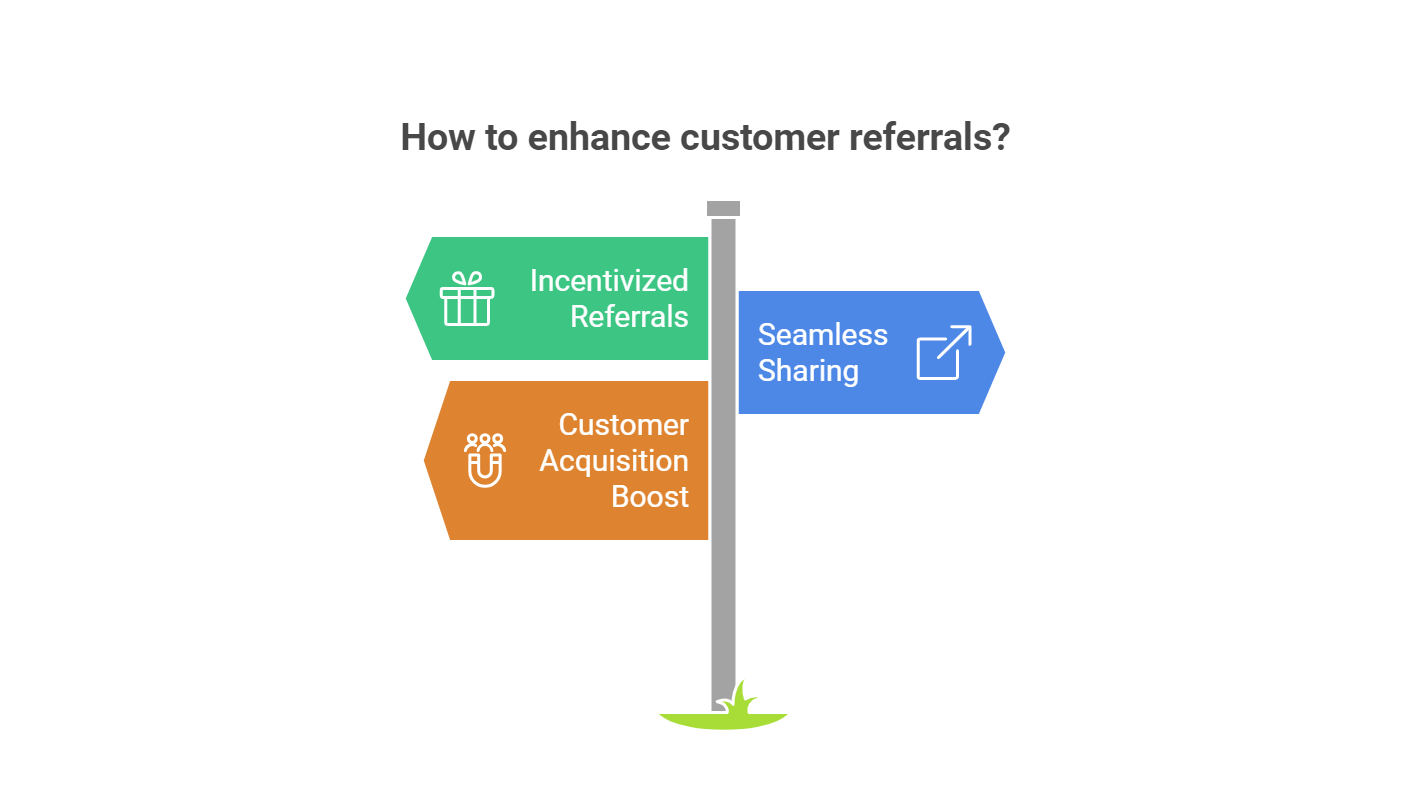
Incentivized Referrals: Reward customers who refer others with discounts, credits, or exclusive offers.
Seamless Sharing: Make the referral process easy by providing pre-generated links or codes.
Customer Acquisition Boost: Use referral programs to acquire high-quality leads at a lower cost.
Referrals build trust more effectively than traditional marketing, strengthening loyalty while expanding your customer base.
Creating a Seamless Return Experience
Returns can either build or break loyalty. A hassle-free return policy instills confidence in your brand, even when customers are unsatisfied with their purchase.
Transparent Policies: Clearly communicate return policies to avoid confusion.
Efficient Process: Simplify the steps for returns or exchanges, ensuring minimal inconvenience.
Customer Satisfaction: Treat returns as opportunities to reinforce trust, not as a failure.
When customers feel supported during returns, they're more likely to return for future purchases.
Time-Sensitive Rewards and Their Impact on Urgency
Creating urgency through time-sensitive offers is a powerful tool for encouraging repeat purchases.
Limited-Time Discounts: Encourage purchases with exclusive, short-term deals.
Flash Sales: Leverage surprise discounts to create excitement and engagement.
FOMO (Fear of Missing Out): Use countdown timers in emails or on your website to drive urgency.
These strategies boost sales and keep customers actively engaged with your brand.
Analyzing Customer Behavior Post-Purchase
Understanding how customers interact with your brand after a purchase is key to refining your strategy.

Use customer analytics to track behavior like repeat purchases, engagement with emails, and website activity.
Identify patterns to predict future behavior and tailor offerings accordingly.
Make data-driven decisions to optimize your post-purchase engagement efforts.
Continuous monitoring allows businesses to evolve with their customers’ needs.
Case Studies of Successful Post-Purchase Strategies
Let’s look at a few success stories where brands have mastered the post-purchase phase:
Amazon: Their proactive shipping updates, easy return process, and personalized recommendations have made them a loyalty leader.
Sephora: Their tiered rewards program offers personalized perks, encouraging frequent purchases.
Dropbox: By incentivizing referrals with additional storage space, they achieved exponential user growth.
These best practices highlight the importance of investing in the post-purchase journey to drive brand loyalty.
Conclusion
The post-purchase experience is a goldmine for building customer loyalty. By focusing on strategies like personalization, rewards programs, referral marketing, and customer feedback, businesses can create a seamless and engaging experience that fosters trust and long-term relationships.
Remember, loyalty isn’t just earned at the point of sale—it’s cultivated through consistent and thoughtful engagement long after the purchase is made.
For more insights, visit https://bit.ly/4j5dG9M
